US DRC SPA Intel
US-DRC SPA Intelligence Brief | 23 October 2026
Kolwezi Pushed Back. The Cure Clocks Did Not Answer.
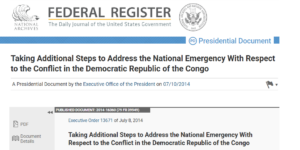
Washington renewed the Congo national emergency without naming the FRN. Its top leadership was already designated. A compliance file that waits for a list update will be late.
Kabila Took the Seat. Washington Used the Name.
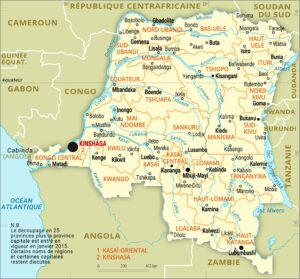
FOMIN funds the flight. FOMIN is also written into the door fee on any deposit the flight studies. The next allocation contest leaves the cadastre. The guest list is the product.
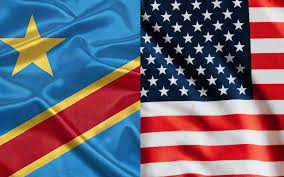
Congo's regulator hit every major mining book as the US-DRC Strategic Partnership stalled: no Geneva communiqué, a Lobito misattribution, a weak bond sale.
The State Department's 2026 assessment and the enforcement file now describe two different countries. The gap between them is the risk investors are not pricing.
A Congolese refinery with no mine now has a U.S. study grant. First metal still depends on feed, power, and a quota Kinshasa hands out at its discretion.
Subscribe for full access to weekly briefs, gated analysis, reference registers, and flagship dossiers.