US-DRC SPA Intelligence Brief | August 28, 2026
Alert level: Elevated on institutions and corridors. Not on signature theater.
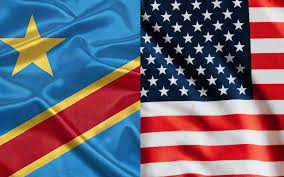
Tshisekedi launches the National Dialogue on his terms. Kinshasa prices the Lobito segment. The Kabila v. OFAC tell fires negative. Kabemba runs Gecamines.
EXECUTIVE SUMMARY
Tshisekedi launched a National Dialogue on his terms, armed groups occupying territory or serving a foreign power excluded. The evening before, Kinshasa priced the Congolese Lobito segment: 10 percent of the project company, 7.5 percent of gross revenue, no sovereign backstop. In Washington, the Kabila v. OFAC clock runs toward October, and the dialogue address just moved that file away from a negotiated exit. The US-DRC SPA treaty itself remains adopted, unpromulgated, and overtaken by operational facts. Kinshasa is pricing, staffing, and now politically framing the partnership on its own terms while Washington is still reading the treaty.
1. The dialogue launches, on Kinshasa’s terms and nobody else’s
On August 27, Tshisekedi launched a National Dialogue for Peace, Cohesion, and the Refoundation of the State: three months maximum, consultations in all 26 provinces before Kinshasa assizes, a National Pact with an implementation matrix as output. The red line excludes groups that occupy territory or serve a foreign power, Rwanda named, so the AFC/M23 is out as a political component, with no general amnesty for the gravest crimes. The dialogue replaces neither Doha nor the Washington process, and churches are invited to build trust rather than to mediate. The sequencing is the story: Luanda declined this exact exclusionary format in June, and it launched the day after Lourenco stood in Kinshasa for the rail signing. September 15, the opposition’s mobilization date, now clashes with a process that has already been launched.
2. Congo just priced the corridor: 10 percent of the company, 7.5 percent of the revenue
On August 26, with Lourenco in the room, the DRC signed a thirty-year concession with Mota-Engil Africa for the 1,004.5-kilometer Dilolo-Sakania railway: 1.258 billion dollars indicative investment, the state at 10 percent minimum of the project company plus a 7.5 percent royalty on gross revenue, SNCC keeping passenger exclusivity, full transfer to the state at term, and, per the published terms as reported, no sovereign guarantee, subsidy, or minimum-revenue guarantee. Mota-Engil already operates the Angolan side, so this is the missing segment of an existing corridor, priced. The open question is who pays the tariff that funds the 7.5 percent: Kinshasa calls this a transformation corridor, Washington calls it an export line, and the two theories imply different payers. Watch the tariff schedule, not the communiques. Read more
3. Kabila v. OFAC: the October clock runs, and the dialogue just moved the file
Kabange v. Smith, filed August 4 in the DC District Court, seeks removal of Kabila’s SDN designation, with the government’s response due around October and sanctions fully in effect meanwhile. The complaint runs the insufficient-basis argument Ferrari’s own doctrine calls near-hopeless, because a client resident in Goma under M23 protection cannot offer remediation, and the in-program precedent is adverse: Basengezi sued and lost. Our Political Risk Note set any softening of Kabila’s dialogue exclusion as the tell for a negotiated exit. Thursday’s address fired that tell negative: the exclusion is now formalized in the dialogue’s founding terms. The venue where a delisting could have been traded has been structured to exclude the plaintiff. Read more
4. The man who helped write the treaty now runs the company it points at
On February 23, eighteen days after the first Joint Steering Committee meeting, a presidential ordonnance named Baraka Kabemba director general of Gecamines. Not a mining engineer: EY’s consulting partner for Central Africa, and a member of the cellule de coordination strategique tracking the SPA negotiations. Against Gecamines’ own copper collapse, roughly 25,000 tonnes in 2019 to roughly 1,500 in 2024, this is an alignment placement, not a turnaround hire: the man who helped track the treaty now runs the company it points at. The deliverables are what our hundred-day test tracks. Read more
5. Already on the desk
Five pieces that closed under this week’s news:
Parliament blocked a Grand Inga law once, and the same objection blocks the next one.
Angola is wiring the Copperbelt while the treaty watches Inga.
Washington keeps asking where the Kinshasa fund’s money comes from.
Glencore localised its leadership and moved the reporting line above the country.
The money isn’t coming, a US official said so out loud.
6. The security track, in one paragraph
On August 24, the first MCVE+ ceasefire verification mission deployed to Minembwe. That mechanism belongs to the Doha track under Qatar, not the Washington Accords, and deployed after the Swiss retreat of August 17 to 21. On the Accords side, the JSCM held its sixth meeting in Geneva on August 12 and 13, the seventh set for September 16 and 17. Six security meetings against one meeting of the SPA’s own Joint Steering Committee since February: not a default; the treaty provides two a year, but a measure of where attention sits.
Watch list
Dialogue transcript, leadership, provincial calendar.
September 15 mobilization. Angola’s response.
The Dilolo-Sakania tariff schedule.
Kabila v. OFAC October filing.
Second JSC meeting, still unannounced.
Strategic minerals decrees at the signature gate.
Referendum law promulgation.
MCVE+ first findings.
Glencore H1: DRC cobalt down 51 percent, Mutanda at zero.
The Ascendance Briefing, our Monday-evening session for vetted subscribers, resumes in September. The Friday US-DRC Intel briefs are continuing too.
To request vetting: [email protected]
Washington. Paris. Kinshasa.